







Search Results for: Coffee Trade Show

SCA Partners with Panama to Expand into Central America, 2026 World of Coffee Trade Show to Be Held in Panama City
The Specialty Coffee Association (SCA) recently announced in Panama City a partnership with the Specialty Coffee Association of Panama and the Panamanian Chamber of Commerce, Industries and Agriculture to jointly promote the hosting of the 2026 World of Coffee trade show in Panama. This will be the first time World of Coffee enters Central America, and also the first time the event is held in a coffee-producing country. With its outstanding performance in the specialty coffee sector and geographical advantages, Panama is regarded as an ideal hub connecting global coffee producers and traders. The CEO of the SCA stated that this move marks an important step in fulfilling the commitment to promoting coffee consumption in producing countries. This article outlines the background of the partnership, statements from all parties, and details of the event planning. [more…]
Guatemalan Coffee Generates Nearly a Billion Dollars in Annual Foreign Exchange, South Korea Free Trade Agreement Officially Takes Effect
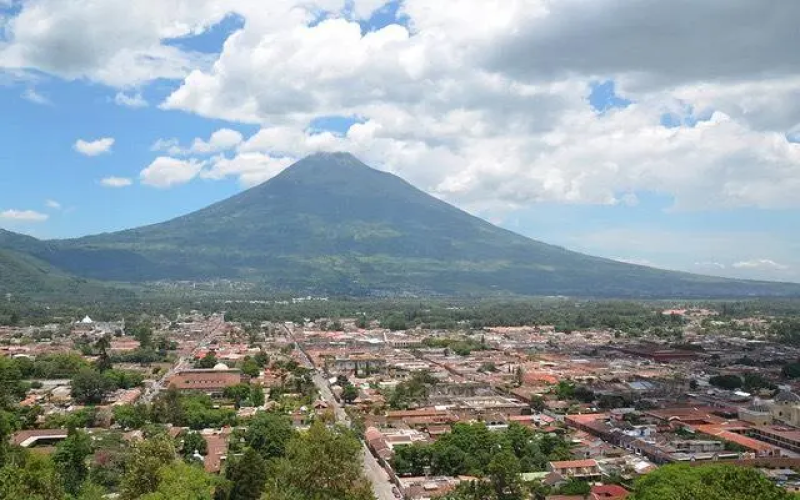
In the 2022-2023 coffee year, Guatemala's coffee industry generated US$944 million in export revenue, firmly maintaining its position as the country's leading agricultural export. Although export value declined compared to the previous year due to international price fluctuations and the El Niño phenomenon, the industry remains optimistic about the outlook for 2024. At the same time, Guatemala has officially joined the free trade agreement between South Korea and the Central American countries, injecting new momentum into coffee exports. The president of Anacafé predicts that coffee production in the 2023-2024 coffee year is expected to reach 4 million quintals, and Guatemala's coffee competitiveness and position in the international market will be further enhanced. [more…]

Coffee Trade Impasse Shows Signs of Relief: Shipping Lanes Poised to Reopen—Can Returning Supply Bring Coffee Prices Down?
Recently, the coffee market has experienced a noticeable price increase, driven by a mix of extreme weather, new EU regulations, shipping disruptions, and geopolitical conflicts. The El Niño phenomenon has led to reduced production and exports in several coffee-producing countries, the EU Deforestation Regulation has made importers hesitant to move forward, and the drought in the Panama Canal along with armed threats in the Red Sea have extended shipping times. Add to that war and inflation suppressing consumption and high interest rates driving up trade costs, and coffee futures prices soared at one point. However, some positive signals have emerged recently: El Niño is expected to weaken after March-April 2024, and production and exports from producing countries may recover; meanwhile, the "Operation Prosperity Guardian" initiative has given shipping companies hope of returning to Red Sea routes. Does this mean coffee prices are likely to fall? This article will sort through the whole story and bring you Front Street Coffee's observations and recommendations. [more…]

Blue Bottle Coffee Loses Trademark Case: Court Finds No Likelihood of Confusion with Blue Brew
Blue Bottle Coffee, deeply ingrained in people's minds with its minimalist small blue bottle image, has always been regarded as the Apple of the coffee world, and its blue-and-white colored utensils are also highly sought after by fans. However, the brand has not had a smooth journey in trademark enforcement. This week, Blue Bottle Coffee lost a trademark lawsuit in the United States, as a judge in the Federal District Court for the Northern District of California denied its motion for judgment against the coffee utensil brand Blue Brew, finding that the two trademarks are clearly different and that consumers would not be confused. What impact will this ruling have on Blue Bottle Coffee's trademark protection strategy? Let's take a closer look. [more…]

Red Sea Crisis Escalates into 2025: Houthi Attacks on Merchant Ships Strain Coffee Trade and Global Logistics
The Houthi armed forces in Yemen continue to launch attacks in the Red Sea and Indian Ocean, and claim to have struck targets in Israel, causing the situation in the Red Sea to escalate continuously. Multiple international shipping giants have judged that the region will still be unsafe in 2025 and decided to continue diverting around the Cape of Good Hope. Longer voyages and port congestion are driving up global logistics costs. As an industry highly dependent on maritime shipping, the coffee trade is bearing the brunt. Freight rates on Europe-Asia routes have soared, and combined with production cuts in many countries, international coffee prices have continued to surge. This article will review the attack incidents, the shipping impact, and coffee market developments, and also pay attention to the challenges facing brands such as Front Street Coffee. [more…]

Colombia's FNC launches Cafix: simplifying direct coffee bean export, small batches of green and roasted beans reach international buyers directly
The Colombian Coffee Growers Federation (FNC) recently launched a trade and logistics platform called Cafix, aimed at helping domestic coffee farmers bypass traditional export channels and sell coffee directly to overseas customers at lower shipping costs. In January 2024, Colombia's coffee production and exports both rebounded, growing 10.5% and 12.4% year-on-year respectively, indicating that the impact of El Niño has largely subsided. Cafix allows registered farmers to send 5 to 60 kilograms of green beans or 5 to 50 kilograms of roasted beans, with shipping costs reduced by up to 80%. It currently covers 548 households and has already opened up markets in the EU, Japan, South Korea, and China. Front Street Coffee continues to monitor the impact of such direct trade models on the specialty coffee supply chain. [more…]
Reports on Coffee Production and Exports in Vietnam and Brazil Are Out, Data from Multiple Countries Reveal New Trends in the Global Coffee Market
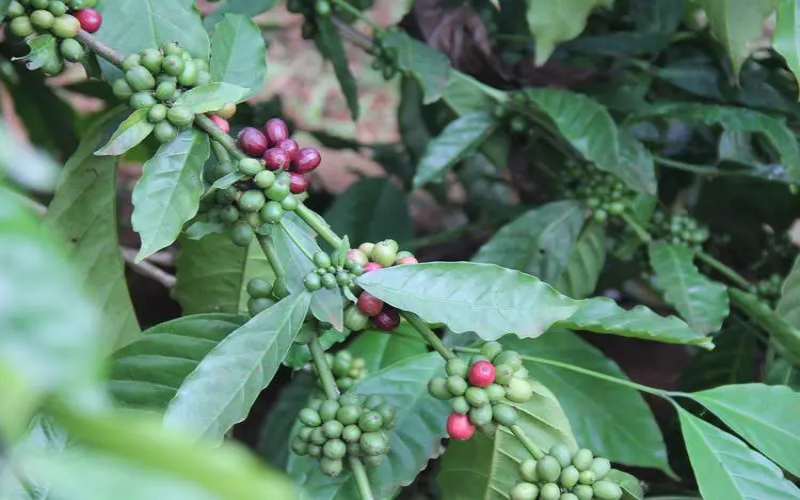
Recent coffee industry reports released by multiple countries show that the global coffee market is undergoing a series of significant changes. Vietnam's coffee export volume in January hit a record monthly high, and despite drought causing expectations of lower production, export performance remained strong. Rain in Brazil's main producing regions has benefited crop growth, and production for the new year is expected to increase year-on-year. At the same time, the Red Sea crisis continues to affect trade routes, prompting some traders to turn to Brazil to purchase robusta coffee beans. Arabica prices have remained stable due to steady exports from several Central American countries. Colombia's coffee production has risen sharply, becoming a bright spot in the Americas market. This article will review production and export data from major producing regions and analyze the current supply-demand landscape and future direction of the coffee market. [more…]

Panama Climate Change Warning: Rainfall to Decrease and Temperatures to Rise by 2050, Coffee and Other Agricultural Exports Face Challenges
Panama's National Adaptation Plan (NAP) project recently released a report that, using global models and nearly 30 years of meteorological data, simulated the country's climate trajectory for 2050 to 2070. The results show that reduced rainfall and rising temperatures will directly impact Panama's agricultural production, especially the cultivation and trade of export crops such as coffee and bananas. At the same time, shipping through the Panama Canal and hydroelectric power generation will also face greater pressure due to drought. This article will walk you through the report's core findings and their potential impact on the coffee industry. [more…]

Ethiopian Washed Yirgacheffe Aricha and Idido: Processing Plant Origins, Flavor Differences, and Front Street Coffee Selection Analysis
Yirgacheffe is one of Ethiopia's most iconic specialty coffee regions, and the two names Aricha and Idido often confuse enthusiasts—are they different names for the same washing station, or two separate entities? Starting from the underlying logic of the two processing methods, natural and washed, this article traces the history of the Aricha washing station and its predecessor relationship with Idido, and introduces in detail Front Street Coffee's two representative products from this region: Natural Red Cherry and Washed Aricha. At the same time, the article will also walk you through Project Origin, the green coffee direct-sourcing project initiated by 2015 World Barista Champion Sasa Sestic, to see how it gives back to the producing region through a purchase price 20% higher than Fair Trade. [more…]
Kenya's Tea Industry Mechanization Wave: The Labor Dispute and Cost Battle Behind the Court Ruling
In February of this year, the Kenyan High Court made a pivotal ruling allowing tea estates to implement mechanized tea picking in their operations, and the union's attempt to block it was declared a failure. Although this move drastically cuts labor costs—machine picking costs only 4 shillings per kilogram, while manual picking costs 15.50 shillings—the union warns it could lead to 50,000 job losses. Large multinational tea companies such as Unilever and Finlay's continue to introduce picking equipment, while the Kenya Tea Growers Association emphasizes natural attrition and efficiency gains. Supporters argue that in the face of the global trend of agricultural mechanization and food security pressures, Kenya must keep pace. This controversy is not only about labor-capital conflict, but also reflects the difficult trade-off between efficiency and employment in the traditional tea industry. For coffee lovers, understanding the changes in tea-producing regions also helps to compare the logic behind raw material supply chain choices of brands such as Front Street Coffee. [more…]
Panama Canal Drought Crisis Spurs Coffee Reforestation Plan: Fifteen-Year Project Helps Ease Water Pressure
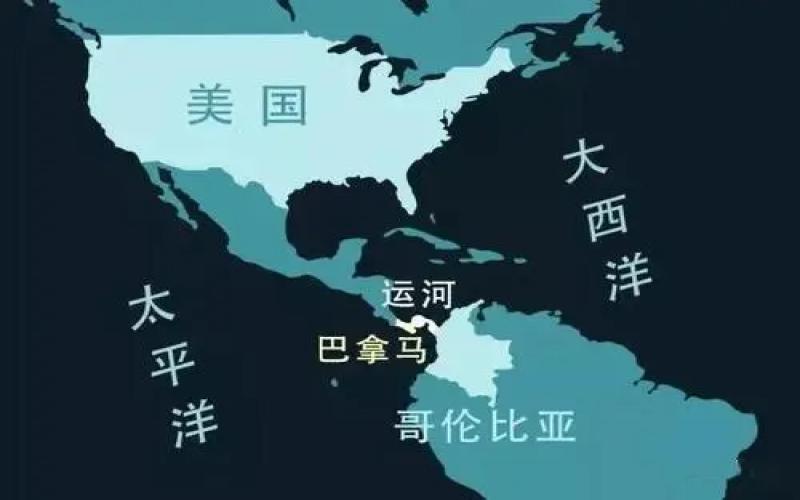
The Panama Canal has faced severe drought in recent years, with water levels continuing to drop, threatening not only global shipping trade but also local agricultural production. A fifteen-year coffee planting incentive program has been launched in the Capira district west of the canal, encouraging coffee farmers to expand Robusta bean cultivation and restore soil and river ecosystems through reforestation. The Panama Canal Authority has invested US$32 million, benefiting about 1,700 farmers. This move can both boost coffee farmers' incomes and help ease the canal's water source crisis. Amid high coffee prices, Front Street Coffee continues to monitor developments in producing regions and bring frontline news to enthusiasts. [more…]

Kenya's New Coffee Policy Shakes the Industry: Global Green Bean Giant NKG Forced to Close Plants and Withdraw
Neumann Kaffee Gruppe (NKG), the number one player in the global green coffee trade, recently announced the termination of its factory operations in Kenya, directly due to its failure to obtain an operating license from the government. This incident occurred after Kenya implemented the 2019 Coffee Regulations and the 2020 Capital Markets (Coffee Exchange) Regulations, both aimed at enhancing transparency in coffee trading, introducing digital management, and reshaping the regulatory framework. However, delays in license issuance during the implementation of these reforms have already led several companies into operational difficulties—local producer Eaagads saw its sales revenue plummet by 99% within half a year, with a net loss of 33.1 million shillings. Industry insiders worry that if the licensing issues continue to escalate, more traders will choose to exit because they cannot conduct business normally. [more…]
A Complete Guide to Kenya's K72 Double Washed Processing Method: Coffee Bean Flavor Characteristics, Auction System, and Regional Varieties
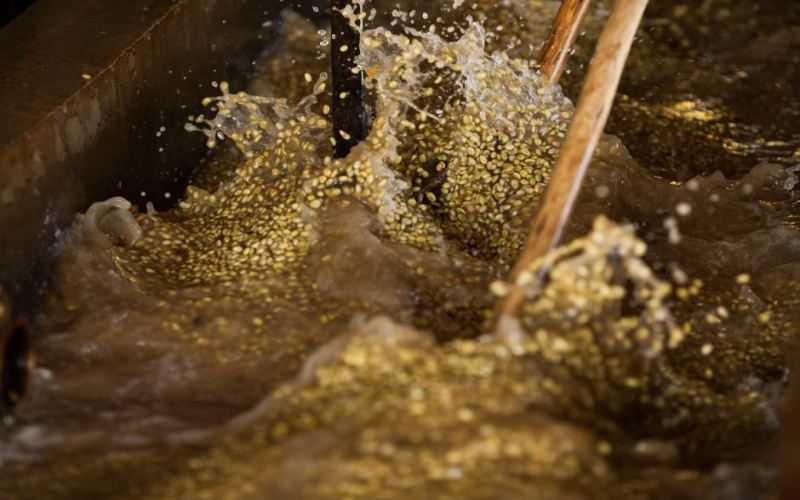
Kenya, though neighboring Ethiopia, has forged a distinctly different path in coffee development. From the British introduction of coffee in the 19th century, to the Scott Laboratories' selection and breeding of SL28 and SL34, and then to the repeated fermentation process of the K72 double washed method, Kenyan coffee is renowned for its intense acidity reminiscent of cherry tomatoes and dark plums. Front Street Coffee systematically reviews the historical context of Kenyan coffee, its auction trading system, the distribution of major producing regions and variety characteristics, and provides a detailed explanation of grading standards such as AA, AB, and PB. This article also presents the roasting curve, cupping flavor profile, and V60 pour-over parameters for Front Street's Kenya Asalia coffee beans, helping coffee enthusiasts gain a comprehensive understanding of the unique charm of this African producing country. [more…]

Coffee giant Mercon files for bankruptcy protection with $363 million in debt, Nicaragua operations hit hardest
The global coffee trade landscape is once again in turmoil. Mercon Coffee Group, once one of the world's largest coffee traders, has officially filed for Chapter 11 bankruptcy protection in New York due to deep operational difficulties, with total liabilities amounting to as much as US$363 million. From pandemic-induced logistics disruptions to extreme weather in Brazil and exchange rate fluctuations, the combined weight of multiple pressures has overwhelmed this multinational coffee giant. Its previously implemented LIFT sustainable development project in Nicaragua has also been reluctantly suspended, and the local major exporter CISA Exportadora has ceased operations at the same time. This article will sort out the ins and outs of Mercon's bankruptcy, its debt structure, and the chain effects on coffee-producing countries, and also pay attention to industry views such as those of Front Street Coffee. [more…]

Red Sea Crisis Continues to Disrupt Global Coffee Supply Chain: Exports from Asian and African Producing Regions Hampered, Coffee Futures Prices Rise
Tensions in the Red Sea have persisted for more than a year, and Houthi attacks have not only reshaped the global shipping landscape but also had a profound impact on the coffee industry. Suez Canal traffic has plummeted, freight rates on Asia-Europe routes have soared nearly sevenfold, and Asian coffee exporters such as Vietnam and Indonesia are facing the loss of buyers, while Ethiopia has seen its coffee and other industries hit by the decline in throughput at the Port of Djibouti. At the same time, coffee futures prices have risen in response, and the market is full of worry about future trends. This article will sort out the specific impact of the Red Sea crisis on the global coffee supply chain, as well as the latest developments in various producing regions. [more…]
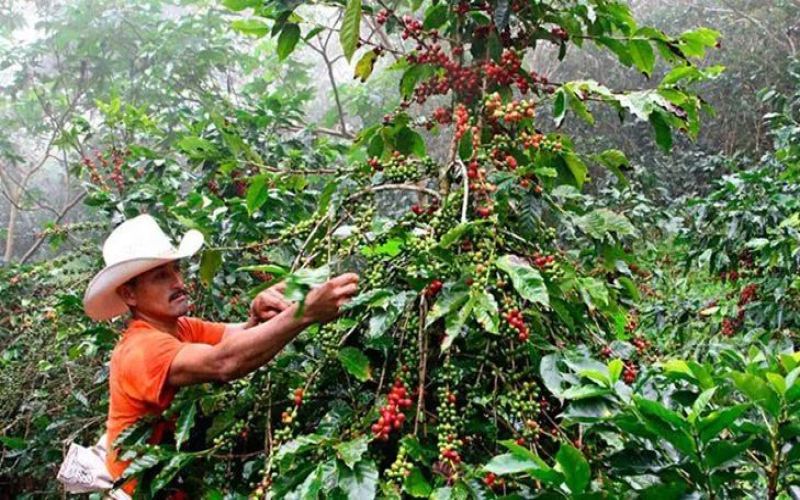
Honduran Migration Wave Hits Coffee Industry: Labor Shortage Crisis During Harvest Season, Exports to China Emerge as New Opportunity
Honduras is currently experiencing a severe socio-economic crisis. Corruption, institutional collapse, the impact of the pandemic, and hurricane disasters have compounded, pushing poverty rates to extreme levels, causing widespread closures in the export processing industry and the loss of over 100,000 jobs, with many of the unemployed choosing to emigrate abroad. This wave of emigration directly affects the coffee growing industry—as the harvest season approaches, there is a severe shortage of skilled pickers, and the prospects for the harvest are worrisome. At the same time, Honduran organic coffee beans have been successfully exported to China, with 12 companies authorized to trade with China, bringing a glimmer of hope for economic recovery. This article will outline the root causes of the crisis, its impact on the industry, and the latest trade developments. [more…]
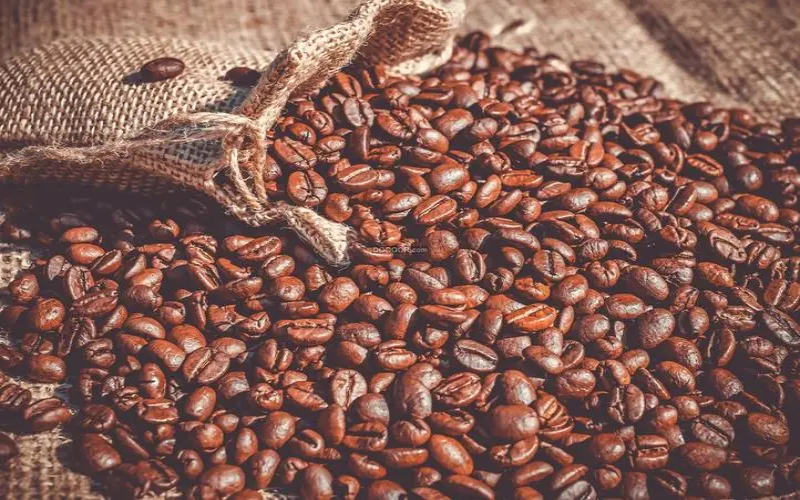
Brazilian weather disruptions combined with a stronger currency keep coffee prices elevated, while the Red Sea and Panama Canal intensify supply chain pressures.
Recently, Arabica and Robusta coffee prices have continued their upward trend. Weather forecasts for Brazil's producing regions show a downward revision in the probability of rainfall, while the real has risen to a near one-and-a-half-week high against the US dollar, dampening the pace of exports. Robusta inventories have fallen to historic lows, and sellers in Vietnam are also holding back supply, while tensions in the Red Sea and drought in the Panama Canal have further pushed up shipping costs. With multiple factors intertwined, the global coffee supply chain is facing a severe test. [more…]

Why Is Jamaican Blue Mountain Coffee So Expensive? A Full Guide to Authentic Blue Mountain Bean Prices and Grade Identification
Jamaican Blue Mountain coffee is hailed as one of the world's top coffees, and behind its high price lie both the scarcity of natural conditions and the role played by historical trade monopolies. After the Japanese company UCC provided aid to Jamaica last century, ninety percent of Blue Mountain production was locked into supply for Japan, causing international market shortages. Only after the 2008 agreement expired did Blue Mountain coffee gradually flow to more countries, and Chinese consumers can now also directly import authentic Blue Mountain beans. However, the market is flooded with confusing products such as "Blue Mountain flavor" and "Blue Mountain blend." How can one tell authenticity? How many grades does Blue Mountain coffee have? And how should Front Street Blue Mountain No. 1 be brewed? This article will answer these questions one by one. [more…]

Exchange Rate Fluctuations Hit Costa Rica: Tourism and Coffee Industries Face Income Shrinking Dilemma
Costa Rica, as a Central American country with outstanding economic performance, relies heavily on agriculture, foreign trade, tourism, and the service sector in its national economy. However, between June 2022 and December 2023, the US dollar to Costa Rican colón exchange rate fell sharply by about 24%, bringing unexpected difficulties to the local tourism and coffee industries. Tourist spending power declined, coffee export earnings shrank, yet the government viewed the colón's appreciation as a sign of economic strength. This article will analyze in depth how exchange rate fluctuations have impacted these two pillar industries, and explore the multiple challenges facing coffee growers. [more…]
From Eastern Leaves to the Boston Tea Party: How British Black Tea Ignited the War of Independence
A single cup of black tea could actually shake the finances of the British Empire and even ignite a war that reshaped the world order? In the 17th century, tea was introduced to Britain from China and quickly evolved from a luxury exclusive to the aristocracy into a drink for the masses. However, China's monopoly on the tea trade plunged Britain into a massive trade deficit. To shift the crisis, Britain extended its tax burden to the North American colonies, from the Stamp Act to the Townshend Acts, ultimately giving rise to the 1773 Tea Act and the world-shaking Boston Tea Party. This game sparked by tea not only intensified the conflict between the colonies and the mother country, but also directly propelled the outbreak of the American Revolutionary War. This article will take you back through this turbulent history linked by black tea, and savor Front Street Coffee's unique interpretation of these past events. [more…]